 Bio-Integrated
 Koç
KoçResearch thrust · 03
Implantable and Bioresorbable Devices
Function · Transmit · Disappear


On this page +
Platforms and enabling science
Bioresorbable electronic systems
Functional structures fabricated from materials selected for temporary operation.
Transient materials and degradation control
Polymers, substrates, and trigger strategies characterized to control when and how function is lost.
Wireless data and energy
Links developed to reduce permanent connectors, batteries, and retrieval requirements.
Tissue interfaces and biological validation
Soft device surfaces evaluated for tissue response, material compatibility, degradation products, and application limits.
Selected experimental results
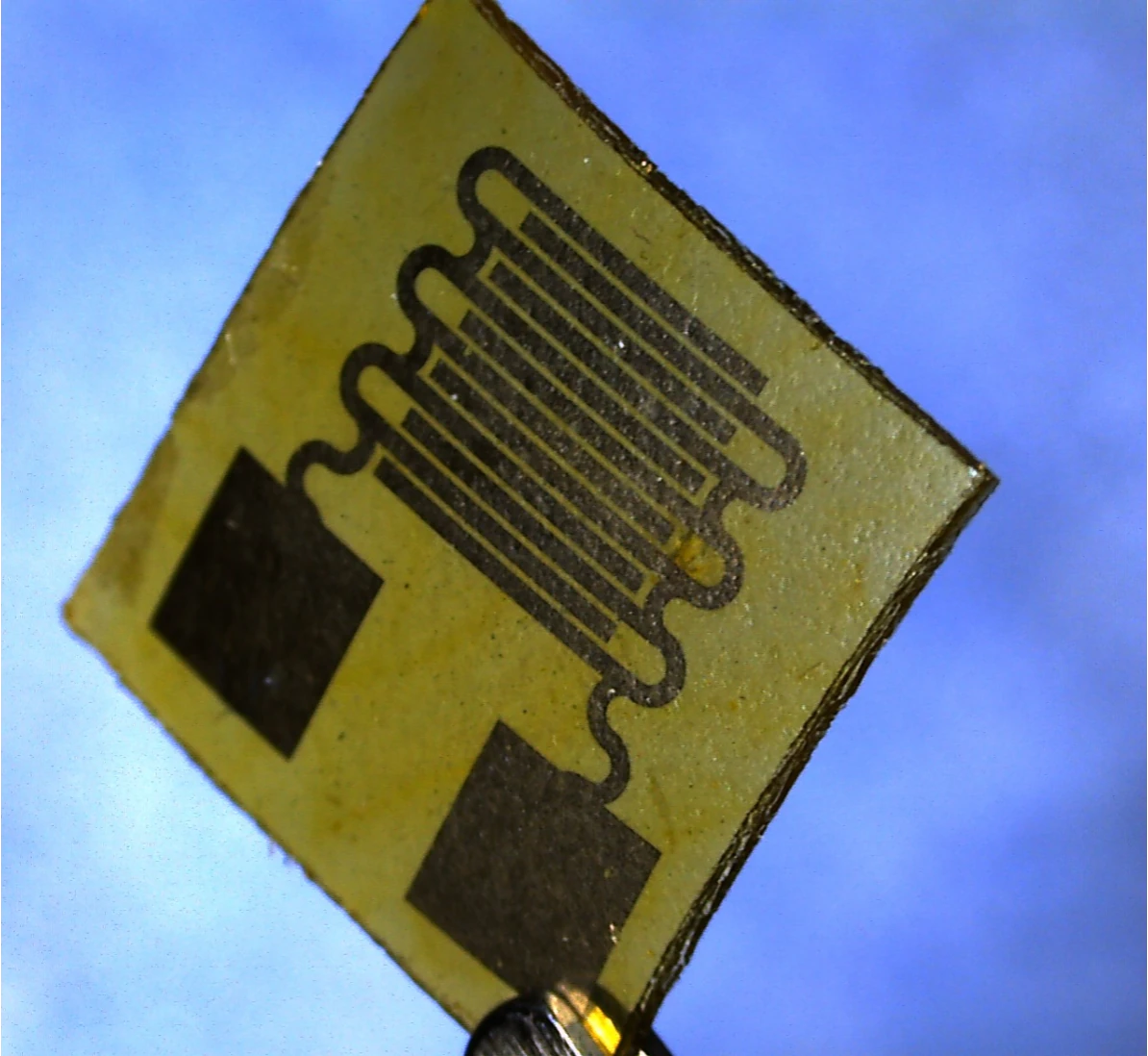
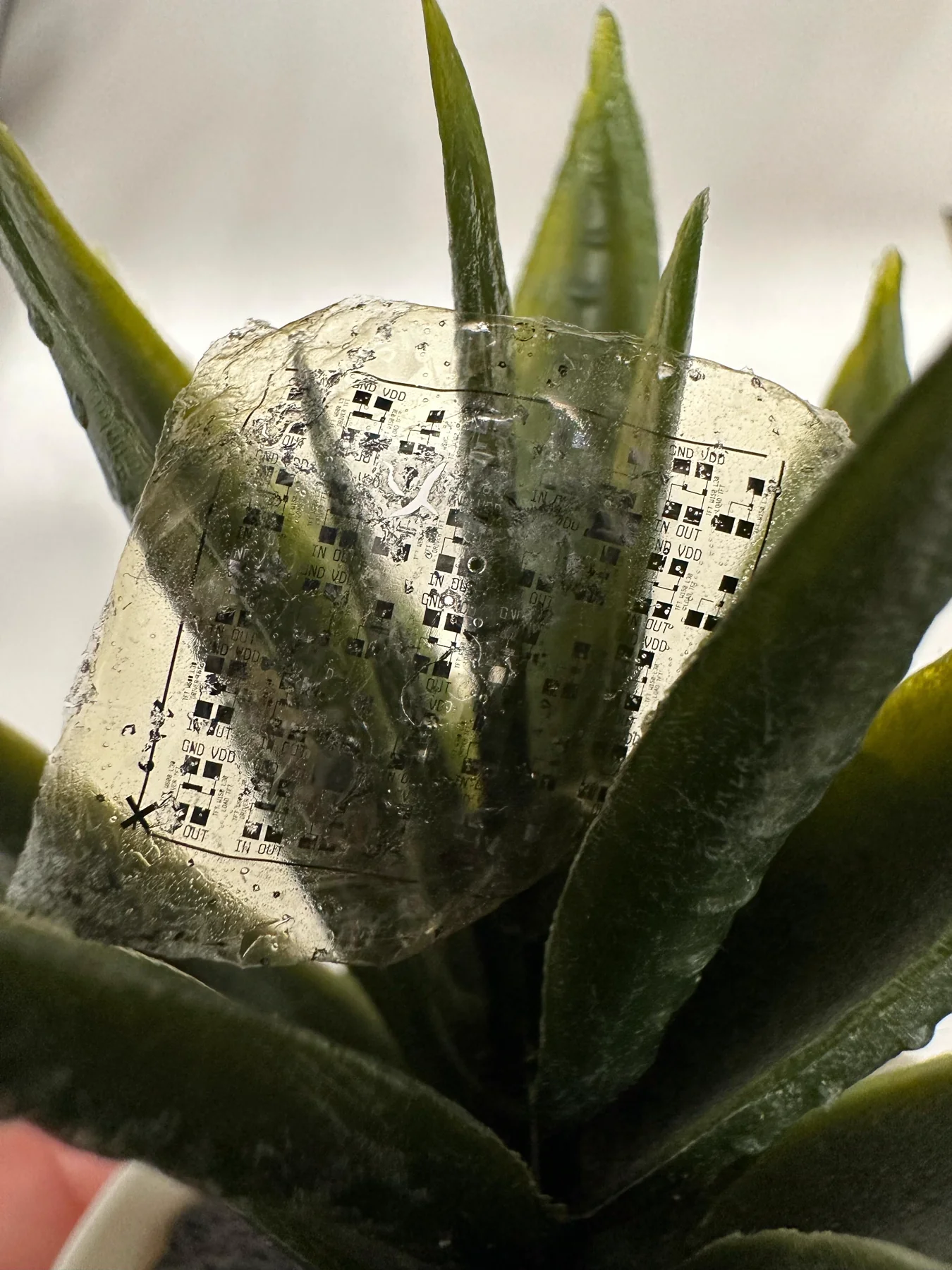
Photolithographic fabrication of biodegradable sensor arrays
- Experimental approach
- A photolithography-based microfabrication route for biodegradable flexible and stretchable sensors.
- Key result
- The paper reports up to 1600 fabricated devices within a 1 cm² footprint and functional passive, mechanical, and chemical sensor structures.
- Scope and limitations
- Fabrication feasibility does not alone define in vivo lifetime, tissue response, or clinical readiness.
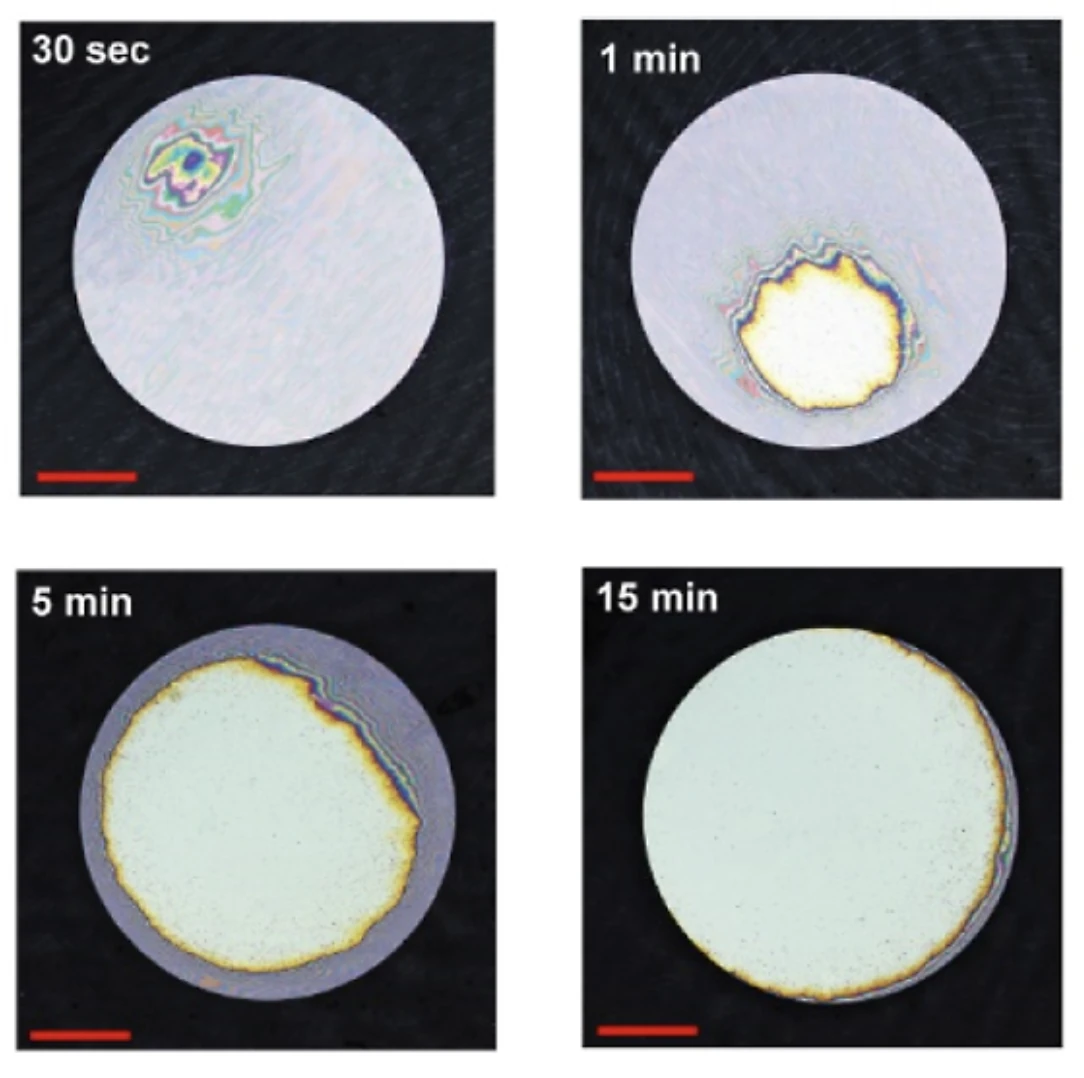
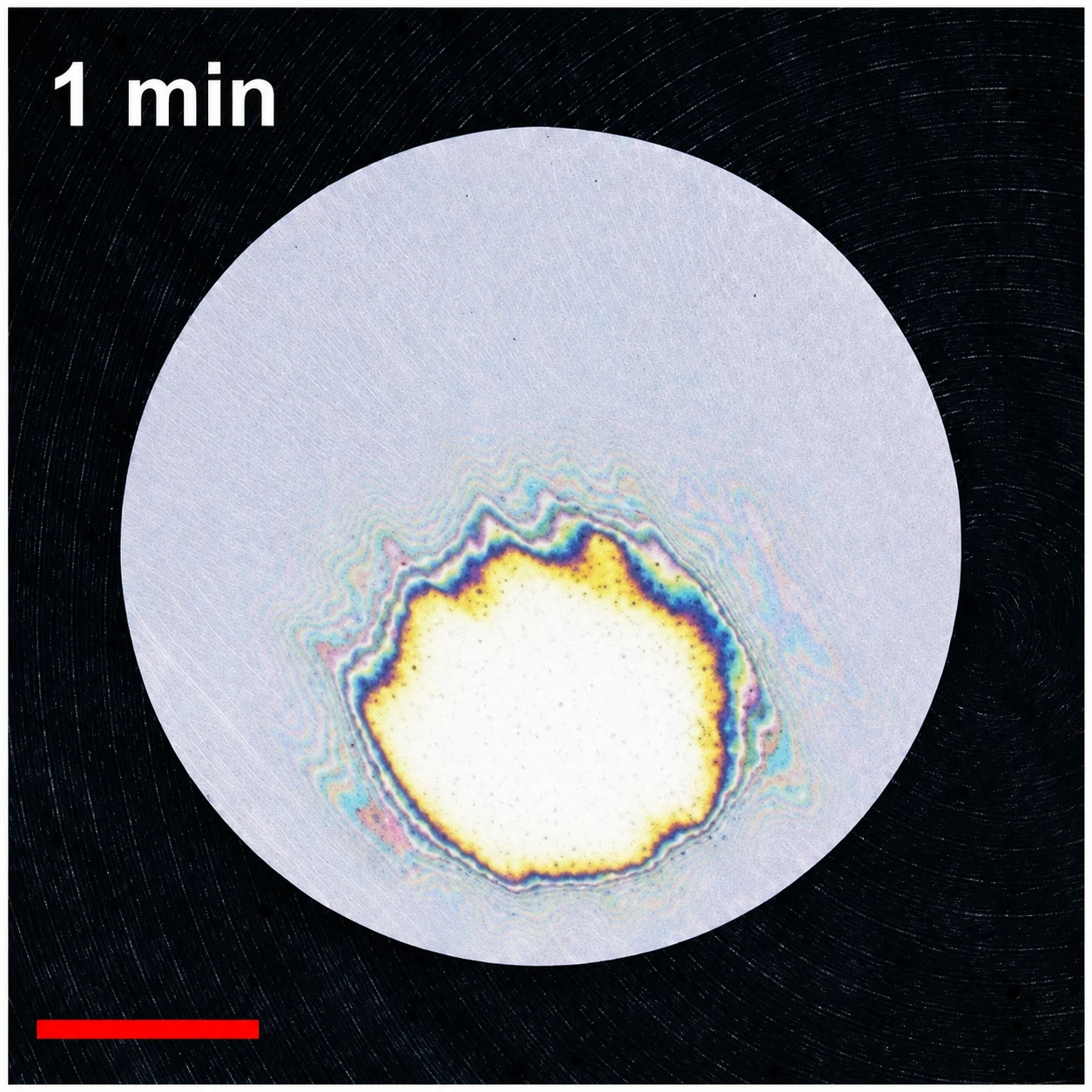
Near-infrared-triggered degradation of transient electronics
- Experimental approach
- A molybdenum-mediated near-infrared heating strategy for a cyclic poly(phthalaldehyde) encapsulation layer.
- Key result
- The reported cPPA encapsulation degraded in about one minute, with rate controlled by laser power and exposure time.
- Scope and limitations
- Trigger penetration, thermal effects, geometry, materials, and biological context constrain translation beyond the reported configuration.
Selected publications
View the full publication archive →Photolithography-Based Microfabrication of Biodegradable Flexible and Stretchable Sensors
Establishes a fabrication route for functional biodegradable sensor structures. Advanced Materials, 2022.
- Near-Infrared Triggered Degradation for Transient ElectronicsSupports triggered lifetime control · ACS Omega, 2024DOI ↗
- A Flexible and Biodegradable Piezoelectric-Based Wearable Sensor for Non-Invasive Monitoring of Dynamic Human Motions and Physiological SignalsSupports functional biodegradable piezoelectric sensing · Advanced Materials Technologies, 2023DOI ↗
- Biodegradable Piezoelectric Polymers: Recent Advancements in Materials and ApplicationsPlaces materials and applications in current context · Advanced Healthcare Materials, 2023DOI ↗
Researchers
View all people →

Related research areas
Continue with BMDL work in ultrasonic biointerfaces and microneedle-based wearable sensing.
Last reviewed